
For 2nd Journey adults entering a new chapter of life, physical vitality is more than a wellness goal. It’s the foundation that makes meaningful contribution sustainable.
You may have discovered a new calling, launched a passion project, embraced mentoring, or committed yourself to serving others. But there’s a question that deserves equal attention: Will your body have the strength, mobility, and energy to support everything your heart wants to accomplish?
Purpose provides direction. Physical vitality provides the capacity to keep moving toward it.
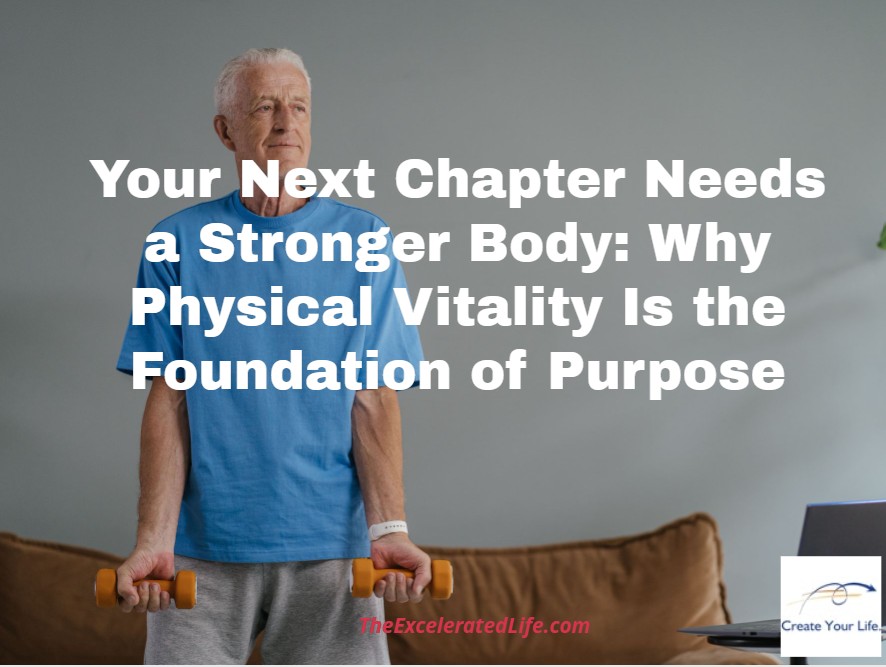
[Title Photo by SHVETS production]
The Essential Connection Between Vitality and Purpose
A fulfilling second chapter requires more than inspiration. It requires the physical resources to participate fully.
- Sleep supports recovery, concentration, emotional balance, and daily performance.
- Strength helps preserve independence and the ability to handle everyday physical demands.
- Mobility makes movement, travel, recreation, and active engagement easier.
- Nutrition and hydration help sustain physical function and everyday energy.
- Energy management creates room for meaningful work without making exhaustion the default.
Together, these habits help turn good intentions into lasting participation.
The Quiet Mistake Purpose-Driven Adults Make
There’s an understandable trap in the second half of life: becoming so focused on what comes next that you overlook what’s carrying you there.
Many adults invest heavily in reflection, relationships, spiritual growth, and discovering meaningful work. Meanwhile, physical health receives attention only when something hurts, sleep deteriorates, or fatigue becomes impossible to ignore.
Another assumption can be equally costly: expecting the energy of your thirties to remain available in your fifties, sixties, and beyond without changing your habits.
The body changes with age. Recovery may take longer, muscle mass can decline, and sedentary routines can gradually reduce physical capacity.
The solution isn’t to recreate your younger body. It’s to develop a capable body for the life you’re building now.
That shift replaces reactive maintenance with deliberate preparation.
What Lasting Vitality Looks Like in Practice
Building physical resilience doesn’t require an extreme fitness lifestyle. It requires repeatable choices that support your future.
| Vitality priority | Practical investment | Long-term value |
| Restorative sleep | Maintain regular bedtimes and protect adequate sleep | Better recovery and alertness |
| Functional strength | Practice resistance exercises twice weekly | Greater capacity for everyday tasks |
| Mobility and balance | Stretch, move joints, and practice balance regularly | Easier movement and greater stability |
| Nourishment | Build balanced meals and drink fluids consistently | Support for physical function and energy |
| Sustainable pacing | Alternate demanding activity with recovery | More manageable daily workloads |
The goal is consistency, not perfection.
According to the CDC, adults 65 and older should combine aerobic activity, muscle-strengthening exercise, and balance training. These habits support healthier aging and continued independence.
A Seven-Day Reset for Your Physical Foundation
Start with small actions you can realistically repeat. Use this checklist to establish a foundation rather than attempt a complete lifestyle overhaul.
- Protect your nights: Set a consistent sleep schedule that allows sufficient rest.
- Schedule strength: Choose two days for appropriately challenging resistance exercises.
- Move every morning: Spend five minutes on comfortable mobility movements.
- Make hydration visible: Keep water accessible throughout the day.
- Plan satisfying meals: Include protein, vegetables or fruit, and other nourishing foods.
- Create recovery space: Build short breaks into demanding days.
- Review your energy: Notice which habits leave you feeling more capable.
After seven days, keep what works and adjust what doesn’t. Sustainable vitality develops through repetition.
Keep Your Commitments Where You Can See Them
Sometimes the difference between knowing a healthy habit and practicing it is simply remembering at the right moment.
A small collection of printed personal cue cards can bring important routines into everyday view: gentle movements beside the bed, strength exercises near workout equipment, drinking-water reminders at a desk, or calming bedtime steps on a nightstand.
Adobe’s free online easy flashcard generator offers a convenient starting point for developing personalized cards from your own notes. Once prepared for printing, these simple prompts can become screen-free companions throughout a busy day.
They’re not another demanding wellness program. They’re everyday reminders of commitments you’ve already chosen.
Questions Worth Asking About Healthy Aging
Is it too late to begin building strength after 50 or 60?
No. Adults can benefit from appropriately designed strength training later in life. Begin at a suitable level and gradually progress.
How much sleep should older adults prioritize?
The CDC recommends seven to nine hours for adults aged 61–64 and seven to eight hours for those 65 and older. Individual needs vary.
What if my energy remains low despite healthier habits?
Persistent fatigue deserves medical attention. Sleep disorders, medication effects, and underlying health conditions may contribute.
A Trusted Guide for Staying Active
For practical, age-appropriate movement advice, the CDC’s Physical Activity Guidelines for Older Adults provide a useful reference.
The resource explains recommended aerobic exercise, strengthening activities, and balance work. It’s particularly valuable for adults who want to remain active without confusing physical vitality with athletic performance.
Your next chapter deserves a body capable of participating in it. Protect your rest, develop your strength, nourish yourself, and respect your need for recovery. The longer your contribution horizon, the more valuable those everyday commitments become.
Judy Stephens, creator of GivenLove.org, had dreamt of being a mother since she was a little girl. After marrying her high school sweetheart, she gave birth to a baby boy within a few months, followed by two little girls in the next five years. Her own children were healthy and happy, but she knew not every child was as fortunate. After reading about a local child who had suffered greatly, she became a foster parent. Over the past eight years, she has cared for more than twenty children, learning valuable lessons in patience, persistence, and gratitude along the way. She feels blessed to have been given so much love.
With GivenLove.org, she hopes to spread the word about the joys of fostering and provide information on how anyone interested can start the process of becoming a foster parent. Judy also blogs about self-care at The Excelerated Life™. You can read more of her articles here.