Busy adults managing stress while trying to stay productive often carry the same quiet frustration: the mind keeps scattering, the to-do list keeps growing, and focus slips the moment it’s needed most. Stress-related distraction and overwhelm don’t always look dramatic; they show up as procrastination, irritability, restless sleep, and inconsistent habits that make personal goals feel harder than they should. Many common stress challenges come from having no safe place for the pressure to go, so it leaks into work, relationships, and health. Creative outlets for stress relief offer a realistic way to steady attention and support personal well-being improvement.
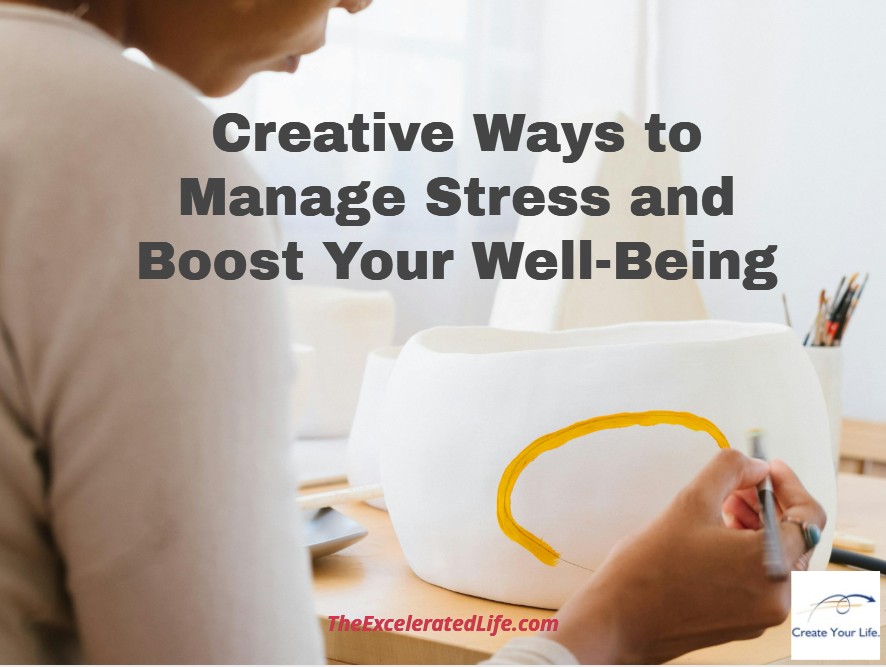
[Title Photo by Photo by RF._.studio]
Quick Summary: Stress Relief You Can Start Today
- Try a small creative activity to calm your mind and shift focus away from stress.
- Use practical coping options to manage stress in the moment without overplanning.
- Choose one simple form of self-care to boost well-being without a big lifestyle change.
- Focus on motivation and ease so you can start quickly and keep stress relief approachable.
Understanding How Creativity Calms Stress
A helpful way to think about creative stress relief is that making something gently shifts your mind and your body at the same time. Mentally, it gives your attention a safe place to land, so worries stop looping. Physically, art and other hands-on making can quiet the stress response, and a 45-min art session has been linked with measurable calming in the body.
This matters because you do not need a perfect routine to feel better. Small creative moments can help you reset faster, think more clearly, and return to tasks with less tension. Over time, consistent “mini resets” support steadier productivity and a more even mood.
Picture a packed day where your brain feels full. You open a notes app, doodle for two minutes, and write three messy lines about what you feel. Low-friction tools make that possible even when motivation is low.
With that in place, simple habit techniques can turn tiny art moments into steady stress management.
Creative Micro-Habits for Steadier Stress Relief
Try these small practices for your next reset.
Consistency is what turns a quick burst of making into a reliable stress tool you can reach for on busy days. Think of these as low-pressure cues that protect focus, soften tension, and build confidence that you can regulate your mood without a big routine.
Two-Minute Mark-Making
- What it is: Fill a corner of paper with dots, lines, and loops.
- How often: Daily, during a transition between tasks.
- Why it helps: Repetitive motion settles attention and creates a quick mental clean slate.
Emotion Color Check-In
- What it is: Choose 1 color for your mood and shade a small square.
- How often: Daily, after lunch.
- Why it helps: Naming feelings reduces overwhelm and makes the next step feel clearer.
Five-Sense Collage Note
- What it is: Paste one image, then write one line for each sense.
- How often: Three times a week.
- Why it helps: Grounding pulls you out of rumination and into the present.
One-Song Creative Sprint
- What it is: Make something until one song ends, then stop.
- How often: 2 to 4 times weekly.
- Why it helps: A time box lowers resistance because the finish line is obvious.
Weekly “Habit, Not a Trait” Review
- What it is: Review weekly; creativity is a habit.
- How often: Weekly.
- Why it helps: Reflection turns random attempts into a plan you actually repeat.
Pick one habit, keep it tiny, and adjust it to fit your family rhythms.
Turn Stress Into a Calming Digital “First Draft”
Your fastest reset is the one you can actually start.
This quick process turns a vague, stuck feeling into a simple image you can see and soften, helping busy adults settle their nervous system and return to the next task with clearer focus.
- Step 1: Name one feeling and give it a look
Choose a single word for what you feel right now, like tense, foggy, lonely, wired, or hopeful. Translate it into 2 to 3 colors and 2 to 3 shapes, like sharp triangles for pressure, soft circles for safety, or a heavy block for fatigue. Keeping it small prevents overthinking and makes the next step easy to begin. - Step 2: Set a tiny canvas and a tiny timer
Open any simple drawing app you already have and pick a small canvas size so it feels low-stakes, then set a timer for 5 to 10 minutes. Remind yourself that prior art experience is not required for creative activity to help your body settle. A short limit also protects your schedule, which reduces the stress of starting. - Step 3: Follow this no-pressure digital painting prompt
Paint a background wash using your main color, then add 10 slow strokes in a second color, and finish with 5 simple shapes in your third color. Blur or smudge edges on purpose so nothing has to be precise, then add one small bright dot or line to represent relief. The goal is motion and mood, not skill. - Step 4: Use a no-setup image tool to create
If painting feels like too much today, use an image-making tool for generating paintings using AI. This can generate or remix visuals from a short prompt, and treat the result as a “first draft.” Type your feeling plus your colors and shapes, for example: “calm, soft blue and warm beige, rounded shapes, gentle light, minimal, quiet.” This removes setup and decision fatigue while still giving your mind something soothing to land on. - Step 5: Do a one-minute reflection to lock in relief
Look at your image and answer two questions: “Where does my body feel 5 percent better?” and “What part of this picture helped?” Save it with a short title and, if you want, note one next action like “drink water” or “send one email.” Building a small repeatable practice can matter, and a short drawing time makes it easier to return tomorrow.
You are building a reset you can use on demand.
Build Calm and Self-Trust Through One Creative Outlet
Stress has a way of piling up until even small tasks feel heavy, and it’s easy to believe relief requires more time than you have. A hopeful mindset shift is to remember that consistent creative stress management can be simple: a small artistic outlet that helps feelings move rather than bottle them up. The benefits of artistic outlets show up quietly, steadier focus, softer self-talk, and real empowerment through creativity that builds over time. One creative outlet, done gently and often, is enough to change your day. Choose one outlet today and give it five minutes, then stop on purpose while it still feels doable. That steady return is what supports long-term personal well-being, resilience, and trust in yourself.
Judy Stephens, creator of GivenLove.org, had dreamt of being a mother since she was a little girl. After marrying her high school sweetheart, she gave birth to a baby boy within a few months, followed by two little girls in the next five years. Her own children were healthy and happy, but she knew not every child was as fortunate. After reading about a local child who had suffered greatly, she became a foster parent. Over the past eight years, she has cared for more than twenty children, learning valuable lessons in patience, persistence, and gratitude along the way. She feels blessed to have been given so much love. With GivenLove.org, she hopes to spread the word about the joys of fostering and provide information on how anyone interested can start the process of becoming a foster parent.
One Reply to “Creative Ways to Manage Stress and Boost Your Well-Being”