

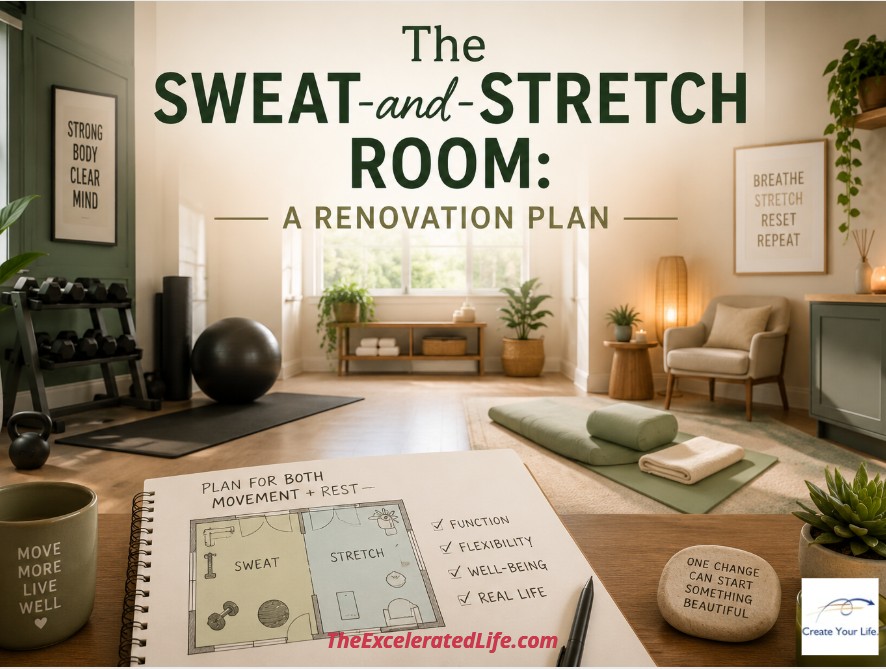
For busy parents juggling work, caregiving, and a few stolen minutes of movement, limited home space challenges can make wellness feel like one more thing that doesn’t fit. That is why home wellness remodeling matters: a multipurpose wellness space can hold workouts, recovery, and quiet without demanding an extra room.
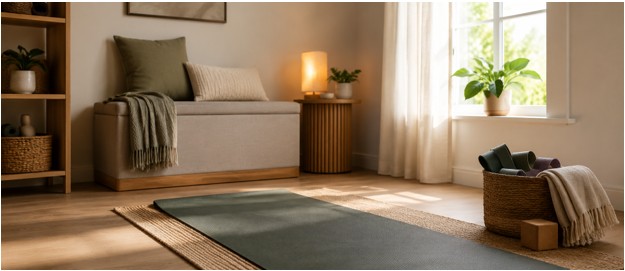
For busy parents juggling work, caregiving, and a few stolen minutes of movement, limited home space challenges can make wellness feel like one more thing that doesn’t fit. A living room that doubles as an office, a bedroom with laundry piles, and a hallway that barely allows a stretch can turn wellness activities at home into constant setup and cleanup. That tension is exactly why home wellness remodeling matters: a multipurpose wellness space can hold workouts, recovery, and quiet without demanding an extra room. The payoff is steadier mental and physical well-being at home.
Understanding a Multipurpose Wellness Space
A multipurpose wellness space is one area that can shift between movement, recovery, and quiet. Instead of building one perfect yoga room or a mini gym, you design for change. The goal matches holistic interior design, where a room supports your body and your head, not just your décor.
This matters because consistency beats intensity for most of us. When your space is easy to reset, you actually use it, even on chaotic days. Some setups even report 43% more focused work time, which hints at how one calm zone can ripple into the rest of life.
Picture a corner with a stowable bench, a mat, a basket of bands, and a dimmable lamp. Morning strength takes ten minutes to start. Later, the same spot becomes a stretch-and-breathe nook when the house finally quiets. Comfort comes next, starting with airflow and steady temperature for both sweat and stillness.
Keep Your Wellness Room Comfortable With Steady Airflow
Once you’ve pictured how one room can shift from movement to stillness, the next piece is making sure it feels good in every mode. Upgrading your HVAC system can make a surprisingly big difference in a multipurpose wellness space: better air circulation keeps the room from feeling stuffy mid-workout, and steadier temperature control helps you avoid that yo-yo effect where you’re sweating one minute and chilly the next during cooldown or relaxation. Improved HVAC performance can also lower humidity while filtering out more allergens, which helps the space feel cleaner and easier to breathe in, especially when you’re spending time there year-round.
If you’re replacing components to get there, it’s worth ordering HVAC parts from reputable suppliers so you’re getting quality, durability, and the right fit for your system; I keep one more reference handy when I’m checking compatibility and sourcing replacements. With comfort and air quality supported, you’ll be in a great spot to map the room itself, layout, storage, lighting, and materials, so it stays flexible without feeling cluttered.
Use This 10-Minute Plan: Layout, Storage, Light, Materials
If your wellness room has to handle both sweaty workouts and calm-down time, the secret is deciding where things “live” before you buy anything. I like a quick, no-perfection, 10-minute pass that turns a blank room into a daily-usable plan.
- Draw two zones in tape (Move + Restore): Put painter’s tape on the floor to mark a workout zone and a wind-down zone, even if they overlap. Aim for a clear walkway from the door to a window or vent so you don’t block the steady airflow you worked on earlier. This simple wellness room layout planning step prevents the classic mistake of placing a bike, bench, or storage tower right where air should circulate.
- Assign “parking spots” for your top 5 items: List the five things you use most (mat, dumbbells, bands, foam roller, meditation cushion) and give each a specific home within one step of where you use it. If you lift near a mirror, store weights under or beside it; if you stretch near the soft-light corner, keep the mat there. This is the fastest functional room design tip I know for staying consistent, less searching, more doing.
- Build storage that hides clutter but stays grab-and-go: Use closed bins for small gear (bands, straps, heart-rate monitors) and one open “daily” basket for whatever you used last. Wall hooks handle jump ropes and resistance bands without eating floor space, and a low shelf can double as a phone/remote drop zone. In tighter rooms, multi-functional furniture like an ottoman with hidden storage keeps gear contained without turning your relaxation area into a supply closet.
- Set lighting in two layers: bright-for-training, soft-for-downshifting: Make sure your workout area has even, glare-controlled light so you can see form and move safely, think overhead plus a targeted lamp if shadows fall across your mat. Then create a separate “signal” for relaxation with a dimmable lamp or warm bulb in the restore zone. If you want an extra mood lever, Chromatherapy lighting systems can support a gentle transition from energizing sessions to calmer routines.
- Choose materials that can take sweat and still feel calm: Prioritize wipeable, low-odor surfaces where you touch most, sealed paint, washable textiles, and a chair or bench with a cleanable cover. Add one soft element that doesn’t trap funk (a washable rug or blanket) to keep the room inviting after you cool down. If airflow was a challenge before, avoid heavy fabric stacks near vents; they can hold heat and make the room feel stuffy.
- Do a 60-second “reset path” test before you commit: Stand in the doorway and imagine finishing a workout: Where do you put the towel, the water bottle, and the weights? If your answer involves crossing the whole room, tightening the layout, storage should sit on the natural path back to the door, hamper, or laundry. That tiny adjustment keeps the space from drifting into clutter, which is usually what kills the “relaxation” part of a wellness room.
Wellness Room Remodel Questions, Answered
Q: What multipurpose furniture is actually worth buying?
A: Start with pieces that replace two items, like a storage ottoman that becomes a seat, or a foldable bench that can tuck away. Look for simple, sturdy designs before fancy features. It helps to know the USD 15.9 billion multifunctional furniture market exists because lots of people are solving the same small-space puzzle.
Q: How do I keep the room from smelling like a gym?
A: Choose wipeable finishes, washable textiles, and a closed hamper so sweaty items are contained fast. Add a small lidded trash can for wipes and tape, and crack a window or run a fan right after training. A quick nightly wipe-down beats a deep clean you will dread.
Q: What materials hold up best to sweat and still feel calming?
A: Think sealed paint, easy-clean upholstery, and rugs you can wash or swap. Avoid porous fabrics where you sit or stretch, and use performance curtains if you need softness without lingering odors.
Q: Can I make a tiny room work without feeling cramped?
A: Yes, but keep the floor as open as possible by going vertical with shelves, hooks, and a slim cabinet. Use fold-flat gear and store it where you can grab it with one hand.
Q: Should I prioritize lighting or storage first?
A: Pick storage first if clutter stresses you out, because visual noise kills relaxation. Then use layers of artificial light to shift the mood from focused movement to slower recovery.
Growing a Wellness Room That Supports Fitness and Calm
It’s easy to get stuck between wanting a space that handles workouts and craving a room that actually helps the nervous system settle. The steadier path is a flexible, purpose-first mindset: plan for both movement and rest, and let function guide every choice. With that approach, motivating home wellness projects becomes less intimidating, and positive remodeling outcomes begin to appear in daily routines. A wellness room works best when it meets real life, not an ideal schedule. Choose one change to begin now, clear one corner, adjust one piece, or commit one surface to calm. Over time, that encouraging self-care space supports a hopeful wellness journey and long-term health benefits, making hard days easier to carry.
Judy Stephens, creator of GivenLove.org, had dreamt of being a mother since she was a little girl. After marrying her high school sweetheart, she gave birth to a baby boy within a few months, followed by two little girls in the next five years. Her own children were healthy and happy, but she knew not every child was as fortunate. After reading about a local child who had suffered greatly, she became a foster parent. Over the past eight years, she has cared for more than twenty children, learning valuable lessons in patience, persistence, and gratitude along the way. She feels blessed to have been given so much love.
With GivenLove.org, she hopes to spread the word about the joys of fostering and provide information on how anyone interested can start the process of becoming a foster parent.