

Busy parents juggling work, school schedules, and household upkeep often want more family togetherness activities, but the week gets swallowed by errands and screens. The tension is real: home renovation for all ages can sound like a stressful, pro-only project, especially when kids, teens, and grandparents all have different energy levels and attention spans. With the right mindset, family-friendly home improvement becomes a low-pressure way to practice skill-building projects, build confidence, and create shared ownership of the home. It’s a simple opening for intergenerational bonding that fits real life.
Pick 6 All-Ages Projects Everyone Can Help With
When weekend chores turn into shared “build time,” it helps to have a short menu of projects that fit your space, budget, and attention spans. Pick one option, assign roles by age, and aim for a clear finish line everyone can celebrate.
- Refresh a bedroom with paint (fast win, big impact): Start with a quick family vote on one wall color or a simple two-tone plan, then spend 20 minutes on prep together: move furniture, tape edges, and wipe baseboards. Give younger kids a “safe zone” with a small roller for the lower half of one wall, while adults handle edging and higher areas. Painting teaches planning, patience, and cleanup, exactly the kind of skill-building rhythm that makes weekend projects feel doable.
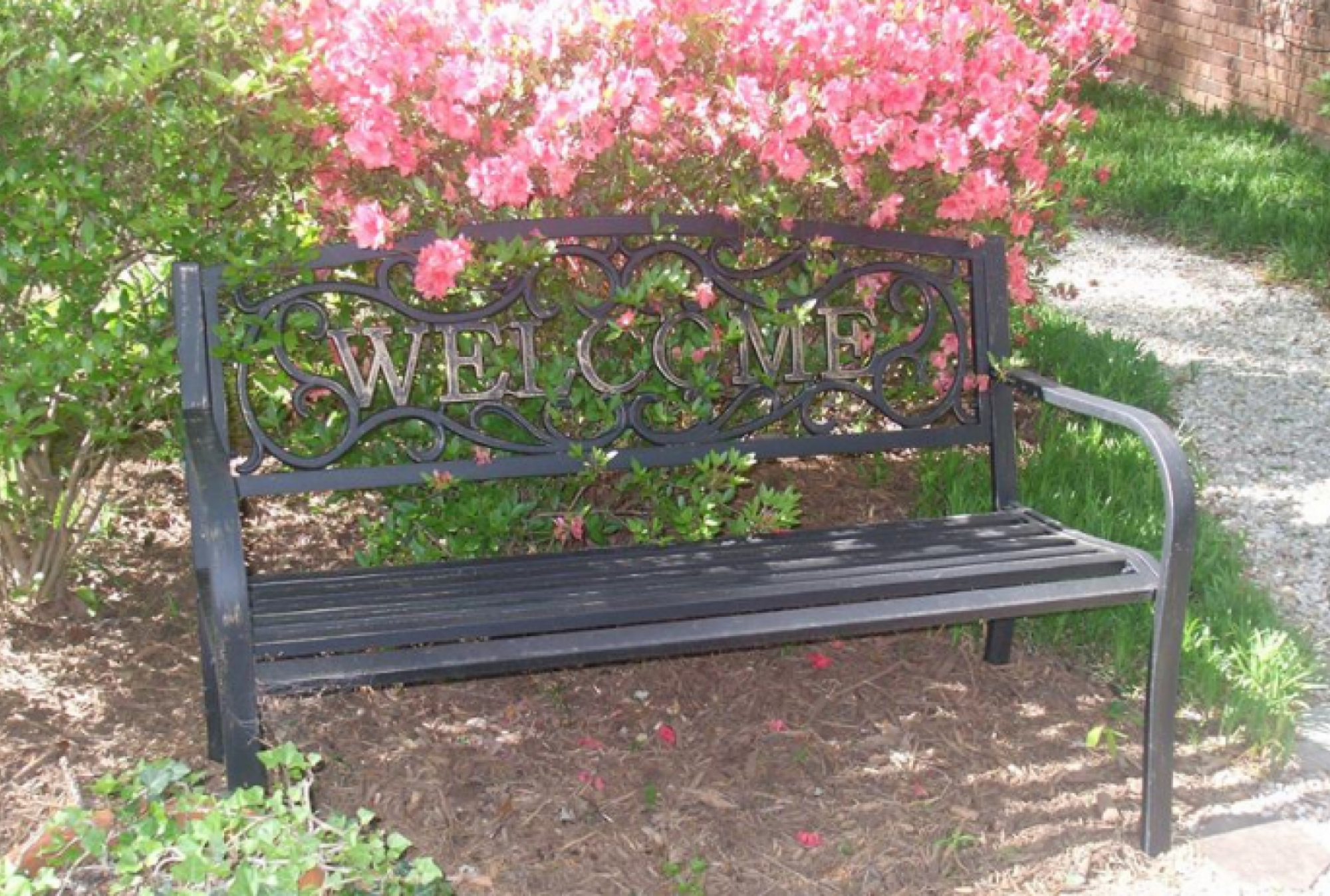
- Plant flowers and shrubs with a “two-bucket system”: Use one bucket for tools and one for weeds/old mulch so the job stays organized. Let kids choose 2–3 plants and put them in charge of spacing (set pots where they’ll be planted) while an adult checks mature size and digging depth. If you’re working near a window or patio, prioritizing light-filled interiors with plant placement can make the whole area feel more inviting for everyone who spends time at home.
- Build a family sandbox with clear roles and boundaries: Keep it simple: choose a flat spot, mark a rectangle with string, and have one person measure while another levels. Kids can help move bags of sand with small buckets and “test” the depth, while adults handle any cutting/assembly for the frame. Add a lid or cover plan from day one to cut down on debris and keep the project feeling like a success long after the build.
- Create a DIY home theater that doesn’t require remodeling: Pick one room and do a “comfort upgrade” first: declutter one wall, manage cords, and rearrange seating so sightlines work for shorter viewers too. Assign a sound checker, a seating planner, and a snack station lead so everyone has ownership. This project is great for practicing teamwork and budgeting, set a spending cap before you start shopping so the fun doesn’t turn into stress.
- Organize the garage with zones and a one-hour timer: Divide the space into 4 zones (sports, tools, seasonal, donate/trash) using painter’s tape on the floor, then run a one-hour family sort. Teens can inventory and label, younger kids can match items to zones, and adults make the final calls on storage height and safety. End by choosing one “maintenance habit,” like a 10-minute reset every Sunday, so the chore stays small.
- Plan a treehouse build in phases (design day first, build day second): Start with a paper plan and a site check: tree health, ground level, and a simple platform height that adults can work on comfortably. Use a “job ladder” so every age can contribute, kids can help measure boards, pre-sort hardware, and apply a brush-on finish while adults handle structural connections. Keeping it phased turns a big dream project into a steady series of weekends your family can actually complete.
Learn Together: Fix a Leaky Faucet or Clear a Slow Drain
Once you’ve picked a few all-ages projects, a small plumbing fix is a great way to add real-life problem-solving to the mix. Tackling simple plumbing repairs together, like fixing a leaky faucet or unclogging a drain, turns a common household annoyance into a hands-on home improvement project that builds practical skills and teamwork across ages. Kids can observe and learn what parts do, teens can help troubleshoot, and adults can guide the process so everyone feels included and capable. One key to keeping the experience positive is using reliable, professional-grade materials; choosing a reputable supplier helps ensure parts fit correctly and hold up, so your “quick fix” doesn’t become a repeat project next weekend. When you’re ready to gather what you need for upgrades or repairs, starting with a trusted plumbing supply source can make the whole job smoother.
Family DIY Questions, Answered
Q: What basic safety rules should we follow for family DIY projects?
A: Start with closed-toe shoes, eye protection, and hair tied back. Keep a “no-hands zone” within arm’s reach of blades, hot glue, or drills, and unplug tools when changing bits or blades. Adults should handle anything involving electricity, ladders, or open flames.
Q: How do I choose age-appropriate tasks without anyone feeling left out?
A: Match roles to risk, not “importance.” Younger kids can sort parts, hold a flashlight, wipe surfaces, or mark tape lines, while teens can measure, read instructions, and help test-fit pieces. Give everyone a visible job title, like “Parts Manager” or “Quality Checker.”
Q: Do we need special tools and lots of materials to get started?
A: No, many projects work with a screwdriver set, adjustable wrench, tape measure, and a basic level. Borrow or rent rarely used tools before buying. For materials, choose the correct size and type, then buy one extra washer, screw, or seal to avoid mid-project stops.
Q: When should we stop and call a professional?
A: Pause if you see water near electrical outlets, smell gas, find mold, or notice crumbling pipes or wiring. Stop, shut off the relevant valve or breaker, and take photos for a pro. Protecting your home always beats pushing through.
Q: How can we avoid arguments when working together?
A: Agree on a simple plan: one leader, one helper, one checker, and short breaks every 20 to 30 minutes. Use a “pause word” anyone can say when frustrated, then reset with one clear next step. Keep the goal small enough to finish in one session.
Family DIY Workflow You Can Finish Today
This quick checklist keeps your family moving from setup to cleanup, so the project feels doable and everyone stays engaged. Use it before you start and once more before you put tools away.
✔ Confirm the goal and the finish line for today
✔ Gather tools, fasteners, and one backup piece before starting
✔ Assign roles by readiness: builder, holder, checker, and cleaner
✔ Set up a clear workspace with a parts tray and trash bag
✔ Follow steps in order and test-fit before tightening everything
✔ Take a two-minute reset break when frustration shows up
✔ Clean up, store leftovers, and note one fix for next time
You do not need perfect, just completed and proud.
Start One Simple DIY Project to Grow Skills and Closeness
It’s easy for family DIY to stall out when schedules are packed and everyone worries about doing it “right.” The simple fix is the mindset this guide has leaned on: choose encouraging home projects, follow a clear workflow, and focus on progress over perfection. When families do that, building family skills becomes natural, confidence through DIY grows with each small win, and strengthening family bonds happens in the background. One small project, done together, beats a perfect plan that never starts.
Anya Willis is a mother of three and has been a yoga instructor for the past 12 years. For most of her childhood, Anya struggled with her weight. In school, she was bullied because of it, and it wasn’t until she took a yoga class in college that things started to change. She fell in love with how yoga used her whole body and mind. For Anya, this was the catalyst she needed; she found a new interest in her physical health and started striving for a healthier life. Reflecting on her younger years, Anya became passionate about kids being active and healthy. Read more posts by Anya at FitKids.